
Goodbye Gunk, Hello Lasting Bathroom Shine
Today we focus on de-gunking bathroom crevices—grout lines, faucet bases, and shower door tracks—because the sneaky grime hiding there steals shine, breeds odors, and dulls every surface. Expect science-backed methods, practical tools, memorable stories, and habits that deliver lasting sparkle with less scrubbing and fewer harsh chemicals. Share your toughest trouble spots and wins so we can celebrate progress together and refine techniques for every finish, fixture, and water type.
Why the Hidden Buildup Happens
Minerals from hard water, fatty acids from soaps, and airborne dust fuse into stubborn films that wedge into microscopic pores along grout, under faucet bases, and inside door tracks. Warm humidity accelerates growth of biofilm and mildew, turning harmless residue into sticky sludge that resists casual wiping. Understanding this chemistry guides safer cleaners, smarter dwell times, and targeted agitation that finally breaks bonds without scouring away protective coatings or etching delicate surfaces.




Tools That Turn the Tide
The right tools slash effort and protect finishes. Combine soft yet assertive brushes, focused steam, and safe scrapers to target crevices without collateral damage. Nylon detailing brushes chase lines, while microfiber captures loosened grime before it re-settles. A squeeze bottle or syringe places cleaner precisely where runoff can’t waste potency. Thoughtful kits prevent over-scrubbing, extend sealers, and keep every pass efficient, especially in deep grout joints, around faucet escutcheons, and along narrow track channels.
Pantry Power Kit
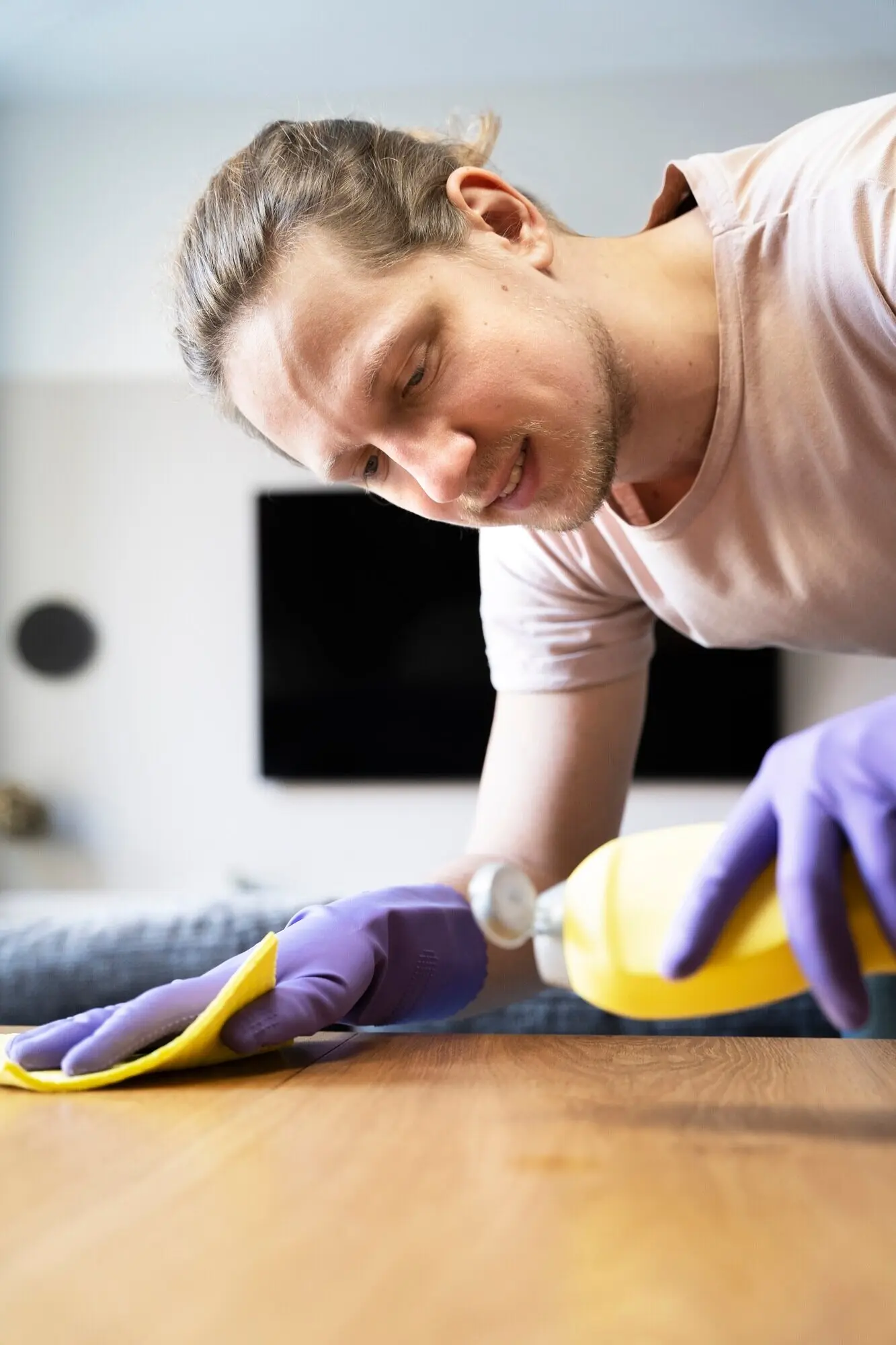
Start with baking soda, distilled white vinegar, mild dish soap, hydrogen peroxide, and warm water. Add old toothbrushes, wooden skewers, cotton swabs, and microfiber cloths. A plastic putty knife safely lifts flakes without gouging. Use a squeeze bottle to apply solutions into grout valleys, under faucet lips, and along track corners. This low-cost arsenal tackles most buildup when paired with patience, dwell time, and careful rinsing that removes residues before they dry back into films.
Smart Upgrades Worth Buying
A handheld steam cleaner melts grime in seconds, especially inside shower door tracks and around base gaskets. Detail brushes with varied stiffness reach different materials without harm. A grout-specific nylon brush follows joints perfectly. A rubber squeegee speeds drying. Consider a mild chelating cleaner for mineral-rich cities, plus a grout sealer applicator bottle for clean, straight lines. These upgrades reduce fatigue, protect finishes, and shrink cleaning windows, turning dreaded detail work into achievable, satisfying sessions.
Safety Gear and Room Prep
Ventilation matters. Open windows, run the exhaust fan, and prop doors to circulate fresh air. Wear nitrile gloves and, for strong cleaners, protective glasses. Test products in inconspicuous spots. Never mix bleach with ammonia or acids. Lay towels along thresholds to catch runoff. Unplug electric devices near splash zones. Collect hair and solids before applying liquids to prevent clogs. Set a timer for dwell periods so chemistry works while you rest safely between agitation passes.
Grout Lines, Step by Step
Grout is porous, so success depends on loosening, lifting, and sealing. Pre-wet the joint, apply the right cleaner, agitate with controlled pressure, then flush and dry thoroughly. Finish with a compatible sealer to block future stains. This method targets films, soils, and mildew without eroding sanded joints or opening pinholes. A slow, methodical pace beats brute force, delivering brighter lines, fewer touch-ups, and real relief from recurring haze that clouds tile edges.

Pre-Soak and Lift the Film
Mist the grout with warm water to prevent cleaner from soaking in too quickly. Spread a baking soda paste with a little dish soap along the lines, then let it rest five to ten minutes. In stubborn spots, switch to oxygenated cleaner or hydrogen peroxide gel. The dwell time allows surfactants and bubbles to loosen greasy bonds. Avoid vinegar here if the grout is unsealed or stone-adjacent, preserving integrity while preparing for gentle agitation.
Agitate Without Erosion
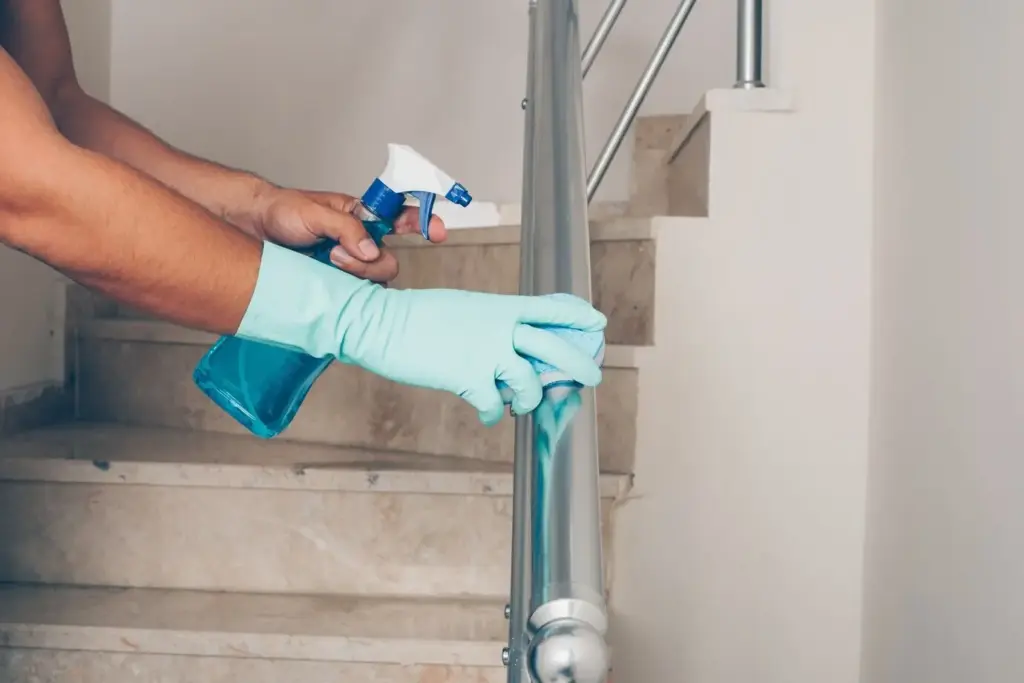
Use a nylon grout brush, holding it at a shallow angle to keep bristles inside the joint, not across tile faces. Short, controlled strokes dislodge softened residue. For corners, detail with a toothbrush. Add a touch more paste rather than pushing harder. Avoid metal brushes that can scar glaze or shed rust. If haze persists, a second dwell round outperforms frantic scrubbing. Work small sections, then immediately pick up slurry with a damp microfiber.
Faucet Bases, Detailed Like New
Around faucet escutcheons and handles, grime hides under edges where splashes collect. A precise, patient approach transforms dingy hardware without scratching chrome, nickel, or brass. Disassemble what the manufacturer intends, loosen scale, floss seams, and restore luster with non-abrasive polish. This routine often revives flow, eliminates odors, and prevents corrosion rings. With a camera-ready shine, everyday rinses become satisfying, and you’ll notice water beading instead of creeping beneath the base plate.
Wrap the spout in a towel, unscrew the aerator gently, and set the pieces in warm vinegar unless finishes forbid acid. A soft brush dislodges grit from screens and housings. For heavy scale, switch to a chelating solution labeled safe for fixtures. Rinse thoroughly, reassemble carefully, and test for even spray. Clearing the aerator reduces splatter that feeds base grime, improving both looks and water efficiency while preventing hidden leaks from pressure irregularities.
Soak a strip of cotton cloth, dental tape, or thin cord with cleaner, then slide it under the faucet base edge like floss. Work around the circumference with steady, gentle seesaw motions to lift sludge and mineral crusts. Wood skewers wrapped in microfiber help reach tight angles without scratching. Wipe away loosened debris immediately so it cannot dry back. You’ll notice the seal line brighten, odors disappear, and water stop creeping outward after rinses.
Shower Door Tracks, From Swamp to Glide
Tracks trap hair, soap, and minerals in a damp channel that rarely dries, breeding slime and rust blooms. The fix is methodical: loosen sludge, evacuate solids, dissolve scale, and keep drainage paths open. Strategic tools—syringes, steam, and plastic scrapers—work wonders without gouging aluminum or acrylic. Finish by drying and lubricating moving parts with manufacturer-safe products. The payoff is a door that glides quietly, stays cleaner longer, and stops leaving gritty trails.
Make Clean Last: Habits and Schedules

The Five-Minute After-Shower Reset
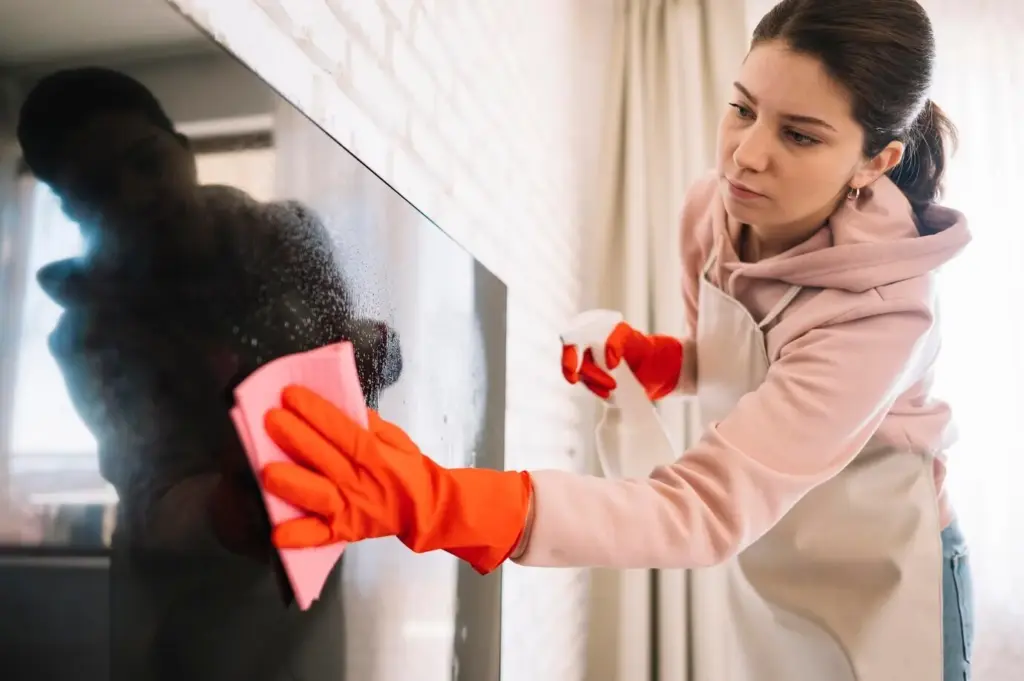
Run the fan, squeegee glass, and swipe tracks with a dedicated microfiber while surfaces are still warm and wet. A quick towel pass around faucet bases breaks the moisture cycle that feeds slime. This tiny ritual dries crevices, limits mineral spotting, and keeps soap film delicate and removable. Done daily, it replaces exhausting monthly battles with breezy touch-ups. Post your timer tricks or motivational cues that make consistency effortless in busy mornings.
Weekly Micro-Maintenance That Works
Choose one focused zone each week—grout, faucet bases, or tracks—and apply targeted cleaner with a strict dwell time. Agitate briefly, rinse, and dry. The rotation keeps everything within easy reach of perfect, preventing hardened layers. Note product reactions to your finishes and water hardness so you can fine-tune steps. Celebrate quick wins by sharing a snapshot or checklist, inspiring others to swap overwhelming chores for calm, scheduled care that never derails weekends.
Seasonal Deep-Clean and Reseal Ritual
Every few months, plan a deeper session: purge track sludge, descale aerators, re-seal grout after a dry window, and refresh protective wax on compatible fixtures. Document dates and products so results are repeatable. Replace worn brushes before bristles mushroom. Verify ventilation effectiveness with a simple tissue test at the fan. Wrap up by inviting readers to comment with regional water challenges and go-to sealers, building a shared playbook that keeps bathrooms bright year-round.