
Reach Higher, Breathe Cleaner: Confident Care for Overhead Details

Today we dive into mastering dust removal from high ceilings, crown molding, and narrow ledges, uniting safe access, smart tools, and elegant technique. You will learn a clear, repeatable process that shortens time, protects finishes, and actually leaves the air fresher. Expect practical checklists, small pro secrets, and encouraging momentum that turn an anxiety‑raising chore into a quietly satisfying routine.

Safe Height, Steady Hands

Before any duster ever touches a surface, your plan for reaching high ceilings and ornate edges safely determines results. Think ladder angle, three points of contact, properly locked extensions, and where your helper stands. Add bright, angled lighting to reveal stubborn dust, and pace your movements to prevent wobble. Calm, deliberate steps reduce fatigue, raise accuracy, and help you finish without second passes.

Choosing Ladders and Supports

Select a ladder rated for your weight plus tools, set it at a four‑to‑one angle, and use a standoff to avoid pressing into fragile molding. Maintain three points of contact, keep your belt buckle between rails, and step down to reposition—never overreach. For long runs, mini‑scaffolding or a platform ladder brings stability, confidence, and a safer rhythm that also improves precision.

Working with Telescopic Poles

A quality telescopic pole converts fear into reach. Match pole length to ceiling height so your shoulders remain relaxed, then attach a microfiber or lambswool head with a pivot joint. Keep strokes smooth, elbows soft, and pressure light to avoid scuffs. Extend only what you control easily, and lock sections securely. Practice on a low area first to dial technique and balance.

Tools That Trap Dust, Not Spread It

Capturing dust is different from moving it. Microfiber and electrostatic heads hold fine particles securely, while HEPA vacuums prevent blowback into the room. Avoid brittle feather dusters that aerosolize allergens. Choose flexible crevice tools, soft brush attachments, and washable covers that grip without scratching. A small bottle of anti‑static solution, used sparingly, reduces re‑cling on dry, decorative edges and tight ledges.

Microfiber and Electrostatic Dusters

Look for densely woven microfiber with a bendable spine, or an electrostatic duster that builds a gentle charge to capture silt. Lightly mist the head with distilled water if air is extremely dry, which reduces airborne plumes. Wash reusable covers without fabric softener to preserve grab. Rotate fresh covers mid‑session to keep performance high on ceiling panels, crown curves, and finicky ledges.

HEPA Vacuums and Attachments

A HEPA canister with a telescoping wand and soft bristle brush quickly lifts lint from intricate profiles without releasing it back into the room. Keep suction moderate to protect fragile plaster or loose paint. Crevice tools wrapped with a thin microfiber cloth excel on hairline ledges. Empty the canister outdoors, seal the bag, and clean filters regularly to preserve safe airflow.

Ceilings, Molding, Ledges: The Right Order

Sequence matters. Start at the highest, flattest plane, work the perimeter, then descend to crown molding before finishing narrow ledges and picture rails. This top‑down approach prevents re‑contamination. Use steady, overlapping passes toward a drop cloth to catch fallout. Pause to vacuum corners and junctions, then confirm under angled light. Consistency builds speed, accuracy, and fewer revisits to the same area.

Ceiling Techniques That Protect Texture

Treat flat paint, knockdown, and delicate acoustic textures with the same patient, floating touch. Glide a wide microfiber head in slow, slightly overlapping lanes, keeping pressure minimal to avoid polishing or snagging. For older popcorn finishes, never wet or scrub, and consider professional testing when age is uncertain. If the head snags, change approach angle, not force, preserving fragile material integrity.

Crown Molding Profiles and Edge Control

Crown molding traps dust along coves and quirk beads. Shape your duster to fit the curve, then sweep from upper outside corner inward, letting gravity guide debris to the drop cloth. For ornate carvings, switch to a soft brush or HEPA wand with a brush ring. Keep hands off the wall surface, and avoid drag over miters where paint lips can chip under pressure.

Narrow Ledges Without Dropping Debris

Ledges above door casings and picture rails love to shed dust. Place a strip of painter’s tape sticky side up on your tool’s edge, then cover with microfiber to trap particles decisively. Work in short segments, lifting and folding the cloth to a clean section often. Finish with a controlled HEPA pass beneath the ledge, preventing dusty curtains or newly streaked wall paint.

Protect Surfaces, Paint, and Plaster
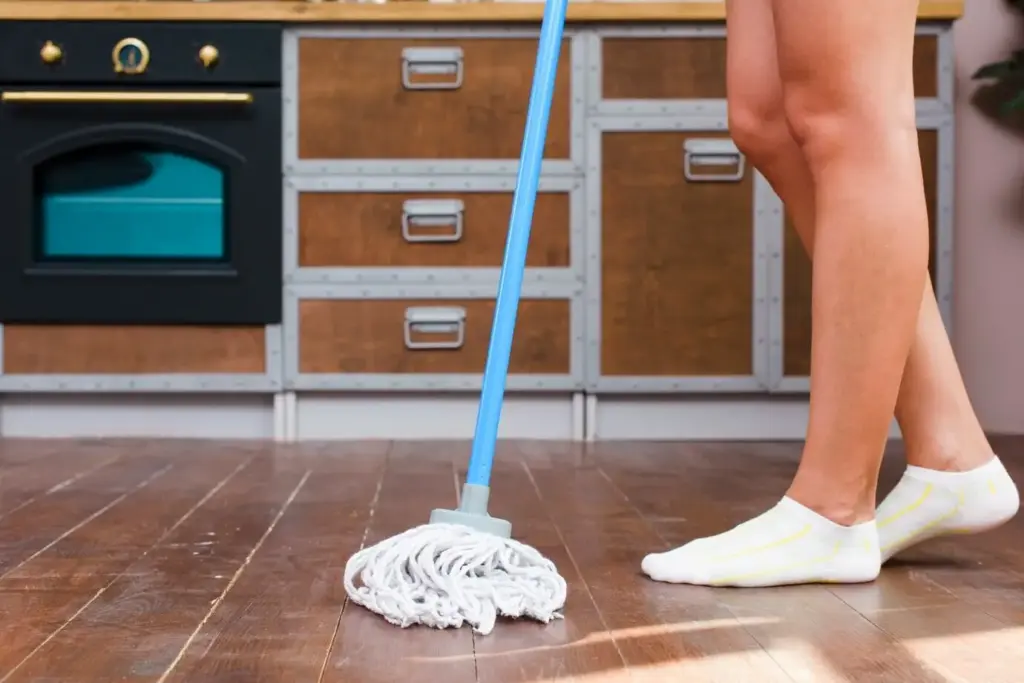
Different materials demand different restraint. Oil‑based enamel, waterborne acrylic, lime plaster, and gilded ornament each respond uniquely to pressure and moisture. Keep everything dry during dusting, spot test cleaners elsewhere, and mask delicate seams. If a surface predates 1978, consider lead‑safe practices; for textured ceilings of uncertain age, avoid disturbance and consult pros about asbestos testing. Prevention safeguards beauty and health.

Finish-Friendly Solutions

Skip furniture polish on painted trim; it leaves residue that attracts dust. Instead, wipe with a barely damp microfiber after dry dusting if sticky film persists, then finish dry. For waxed or French‑polished wood, use a clean, dry lambswool head only. Avoid ammonia near shellac or lacquer. Gentle methods protect reflectivity, avoid smears, and keep ornate edges crisp under raking light.

Historic Details and Delicate Materials
Hand‑formed plaster, aged gilt, and thin MDF crowns warrant a feather‑light approach. Use the vacuum brush as a hovering collector rather than a scrubber. If chips or hairline cracks appear, stop and document before continuing. Older homes can hide lead paint; wear a P100 respirator if deterioration exists, contain debris, and consult certified specialists. Respect preserves stories while still removing years of dust.

Airflow, Filters, and Humidity

Dust rides currents. Keep vents unblocked, replace filters on schedule, and seal duct leaks to prevent recirculation. A quiet air purifier with a true HEPA filter near entryways intercepts pollen and pet dander. Manage humidity so dust doesn’t cling or clump. After each ceiling session, run the purifier for an hour to capture what your careful strokes inevitably set afloat.

Seasonal Schedules and Quick Refreshes

Tie overhead dust care to natural milestones: post‑pollen spring, mid‑summer heat waves, autumn leaf drop, and deep‑winter closed windows. During busy months, do a five‑minute ledge check with a handheld light, spot‑vacuum corners, and reset. Keep a labeled caddy ready: microfiber heads, spare covers, painter’s tape, and a small HEPA. Predictable dates transform dread into quiet, almost automatic follow‑through.

Pet Hair, Pollen, and Everyday Habits

Brush pets outdoors when possible, shake doormats weekly, and dedicate slippers for indoor use. Vacuum window sills and blinds regularly to stop vertical drafts lifting dust to the ceiling. Keep closet doors closed during cleaning so fibers stay contained. Little rituals compound beautifully, meaning your next pass over crown molding feels almost ceremonial—one slow sweep, satisfying capture, and very little airborne haze.

Real-World Wins and Troubleshooting

Homes throw curveballs: greasy kitchen haze on crown, cobwebs that seem magnetic, or nicotine film that smears. Here you’ll find field‑tested fixes, plus an invitation to share your victory snapshots and dilemmas. Your questions sharpen our next guides, and your solutions inspire others to reach higher with confidence, safer habits, and fewer second passes that waste time and energy.
If dry dusting leaves smears in kitchens, follow with a lightly damp microfiber using a few drops of mild dish soap, then immediately dry. Avoid over‑wetting miters and seams. For heavy buildup, pre‑vacuum with a brush, loosen gently, and finish dry. Test first on an inconspicuous spot. Patience prevents halo marks and preserves the crisp shadow lines that make crown molding sparkle.
Cobwebs anchor in corners and along convex beads. Cut static by misting your duster very lightly with distilled water, then pull webs away in one smooth motion. Follow with a HEPA pass to capture fragments you cannot see. If webs return quickly, check air leaks, fan direction, and nearby light fixtures that attract insects. Small environment tweaks dramatically reduce recurring strands overhead.
Veltodarixariluma
Privacy Overview

This website uses cookies so that we can provide you with the best user experience possible. Cookie information is stored in your browser and performs functions such as recognising you when you return to our website and helping our team to understand which sections of the website you find most interesting and useful.